CAREERS
Cyber Workforce Gaps Raise Concerns About Future Talent Needs
MyDigiFolio Editors
2 min read
CAREERS
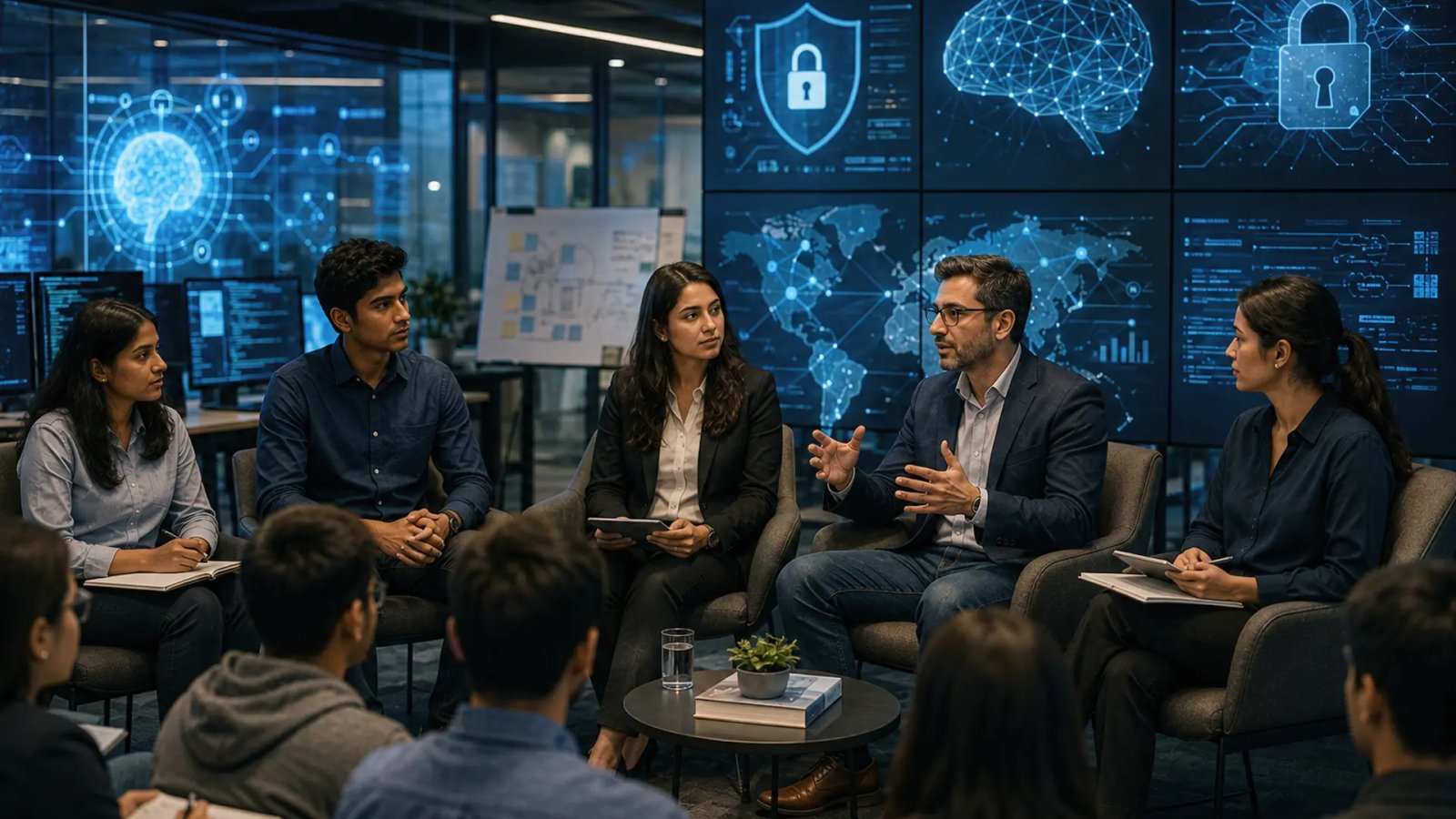
Cybersecurity workforce planning needs to keep pace with rapidly changing technology and future national security demands. Panelists emphasized that AI, practical experience, adaptability and diverse skill sets could all play an important role in developing the next generation of cyber professionals.
A Cyber Huntsville panel has highlighted concerns about whether the cybersecurity workforce being developed today will be able to meet national security requirements in the coming years.
The discussion focused on the changing nature of technology and the need to prepare workers for a field where skills and requirements can evolve rapidly. Brad Horton of the Army's Threat Systems Management Office said the fast pace of software development is increasing the need for people who are comfortable working in a highly digital environment.
Panelists also discussed the challenge of attracting young people to computer science and cybersecurity careers. According to the discussion, some teenagers may be discouraged from pursuing these fields because of concerns that artificial intelligence could replace future jobs.
Dr. Tommy Morris, director of the Cyber Security Research and Education Center and a professor at UAH, stressed that workers with knowledge of computer science and computer engineering will still be needed in the years ahead.
The panel also examined the role of artificial intelligence in cybersecurity. Nate Le, section chief in the FBI's digital forensics and analytics section, said AI can help speed up work and could become an important tool for the field over the next several years.
Another key theme was the importance of adaptable workers with a broad range of knowledge. The speakers agreed that people from diverse educational and professional backgrounds can bring valuable perspectives to cybersecurity roles. They emphasized problem-solving abilities, adaptability and a willingness to continue learning as technology changes.
Internships and co-op programs were also identified as important ways to build the future workforce. The panelists said these opportunities can help students gain practical experience, connect with employers and potentially improve long-term retention.
The discussion also addressed security clearances, which are required for many jobs in Huntsville. Morris said there should be ways to help students obtain clearances while they are still in school.
Finally, the panel considered whether degree requirements may limit the available talent pool for some government and industry cybersecurity roles. Horton and Le suggested that employers could consider skills, performance and other relevant abilities alongside traditional educational qualifications.

The Economic Times · 1 day ago
ICICI Life Insurance plans to onboard 20,000 women financial advisors nationwide by the close of FY2027 under its flagship Narishakti initia...

The Times of India · 1 day ago
UCO Bank has announced 530 apprentice positions across India under the Apprentices Act, 1961, with the application window open until October...

The Economic Times · 2 days ago
China’s top five solar manufacturers slashed their combined workforce by 21%—shedding 40,589 jobs—as severe domestic overcapacity roughly do...
From MyDigiFolio
One profile. Resume, vCard, portfolio, and email signatures — all generated in 3 minutes.
Build your page — freeWe use essential cookies for login and preferences, and optional cookies for analytics. Privacy policy.