BUSINESS
Delhi CNG prices hiked again as Iran conflict pushes fuel costs higher
MyDigiFolio Editors
2 min read
BUSINESS
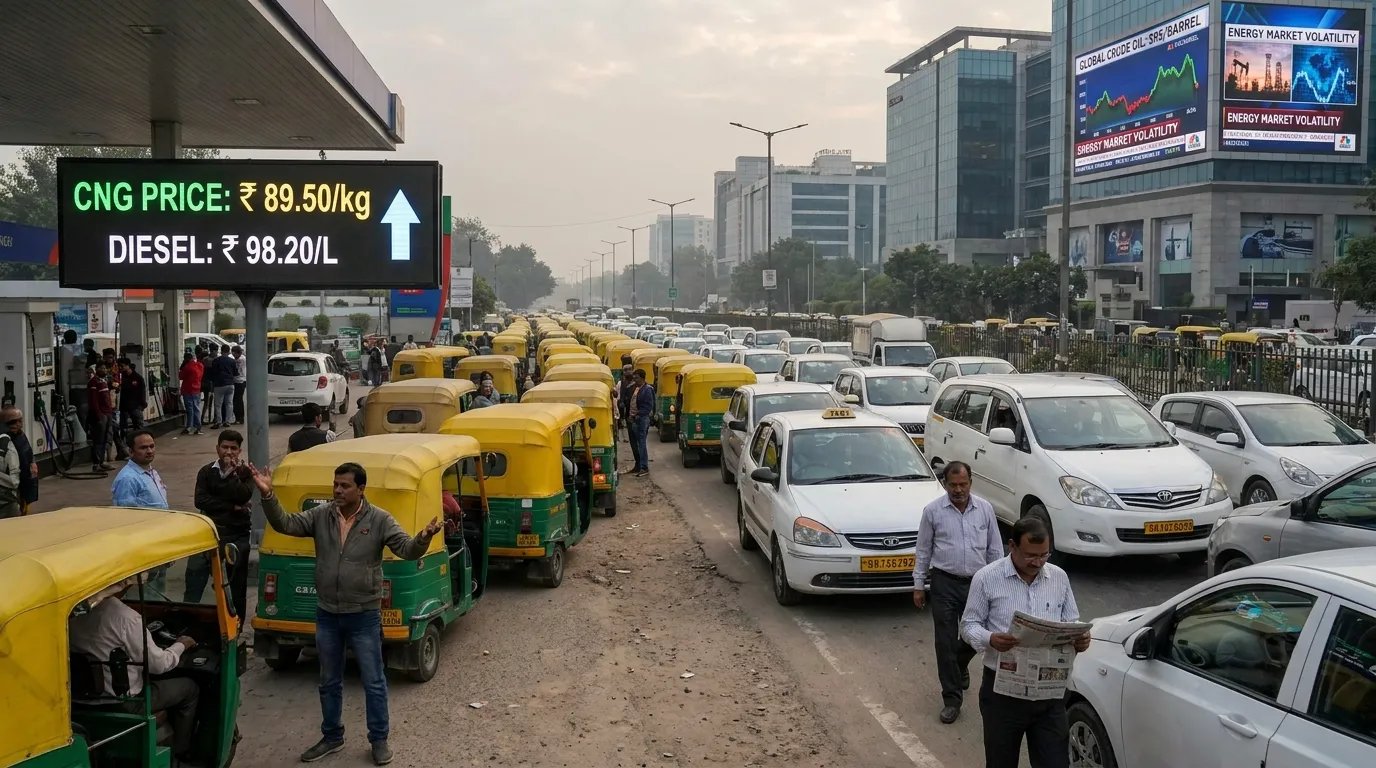
India’s dependence on imported energy is making fuel prices increasingly sensitive to global geopolitical conflicts. Continued Middle East instability could further pressure transportation costs, inflation and household spending nationwide.
Compressed Natural Gas (CNG) prices in Delhi have been increased by ₹2 per kilogram, marking the fourth price hike within just 11 days as geopolitical tensions in the Middle East continue disrupting global energy supplies.
Following the latest revision, CNG in Delhi now costs ₹83.09 per kg. The previous increases included a ₹2 hike on May 15, followed by ₹1 hikes on May 18 and May 23, bringing the cumulative increase to ₹6 per kg in less than two weeks.
The repeated fuel price revisions come amid the ongoing Iran conflict and continued uncertainty surrounding the Strait of Hormuz, one of the world’s most critical energy shipping routes through which a significant share of global crude oil and natural gas supplies pass.
Revised CNG prices across major cities now stand at:
The price hikes are already creating ripple effects across transportation, logistics and consumer spending. Higher CNG costs directly impact cab operators, auto-rickshaw drivers and commercial transport services, increasing operational expenses for millions of daily commuters and businesses.
Economists and market observers say the increase in transportation costs is likely to push up prices of essential goods, including food items and household necessities, as logistics expenses rise across supply chains.
The latest CNG increase also comes alongside recent hikes in petrol, diesel and commercial LPG cylinder prices. Petrol prices in Delhi have climbed above ₹102 per litre, while diesel prices have crossed ₹95 per litre.
Commercial LPG cylinders used by restaurants and food businesses have also become significantly more expensive after recent revisions linked to supply disruptions caused by the regional conflict. This has already started affecting restaurant pricing and dining costs in major cities.
Transport unions and taxi associations across Delhi-NCR have previously opposed the repeated fuel price hikes, warning that drivers and small transport operators are struggling to absorb rising operating costs.
India remains highly vulnerable to global energy shocks because the country imports nearly 90% of its crude oil and energy requirements. Analysts say continued instability in the Middle East and disruptions around the Strait of Hormuz could keep fuel prices volatile in the coming months.
The broader concern for policymakers is the potential impact on inflation, household budgets and economic growth if global energy prices remain elevated for an extended period.

Reuters · 4 days ago
Adyen is planning further expansion and hiring in India as it targets the country's growing digital payments and cross-border commerce marke...

Reuters · 5 days ago
U.S. households showed increased concerns about the labor market and their financial situation in August. While inflation expectations chang...

Reuters · 1 week ago
China’s new five-year plan aims to strengthen SMEs as a source of jobs, innovation and economic activity. The strategy includes greater fina...
From MyDigiFolio
One profile. Resume, vCard, portfolio, and email signatures — all generated in 3 minutes.
Build your page — freeWe use essential cookies for login and preferences, and optional cookies for analytics. Privacy policy.