CAREERS
Employability Emerges as a Key Focus in the Evolving World of Work
MyDigiFolio Editors
2 min read
CAREERS
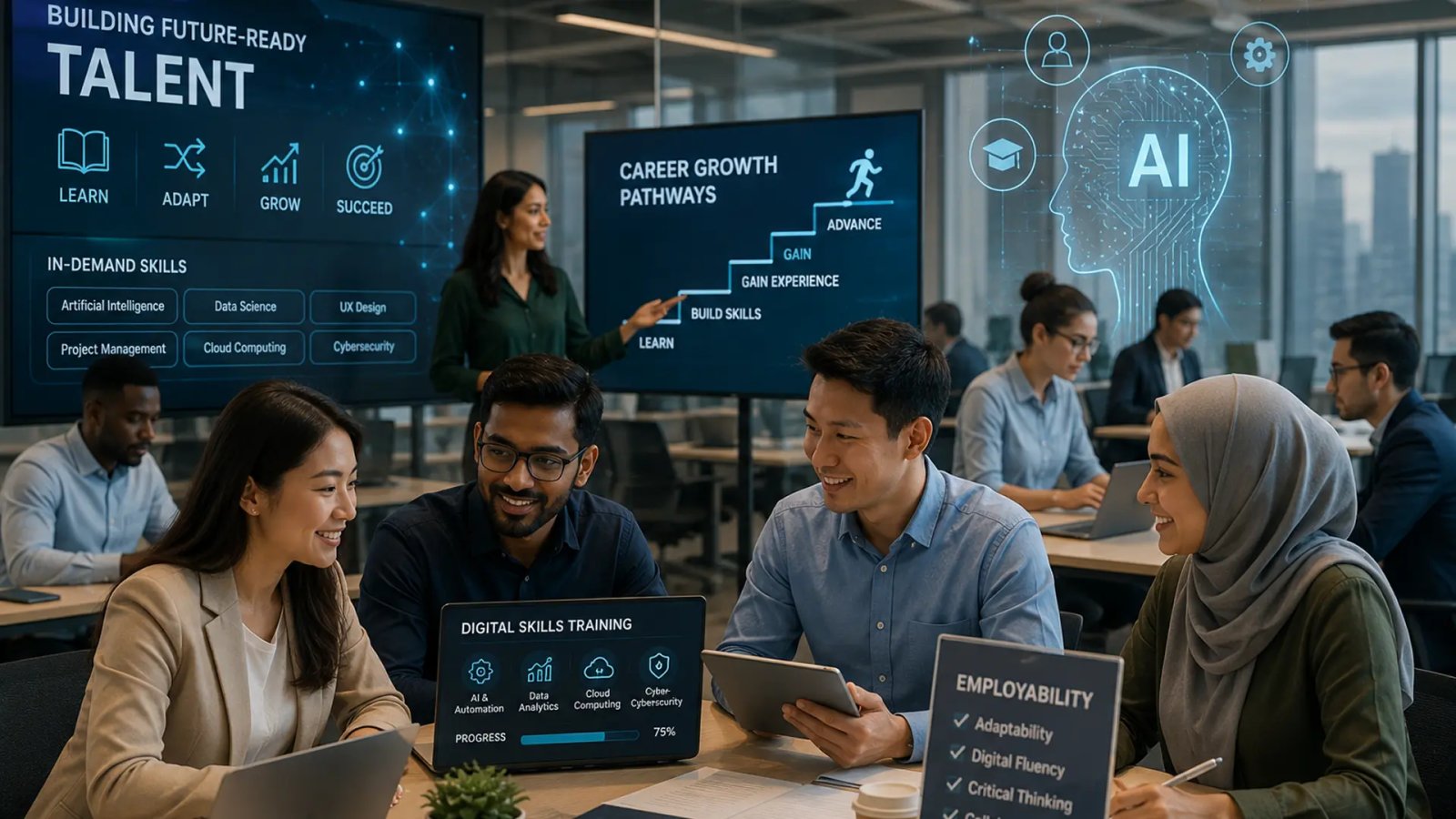
The workforce is moving beyond traditional degree-based hiring toward a stronger focus on practical skills and adaptability. As technology and AI reshape jobs, continuous learning and employability are becoming critical for long-term career success.
The changing nature of work is drawing greater attention to the difference between employment and employability. While employment is centered on filling current job requirements, employability focuses on an individual's ability to build relevant skills, adapt to changing circumstances, and remain valuable in the workforce over time.
For decades, employers have relied heavily on academic qualifications and certifications as indicators of a candidate's suitability. Although credentials continue to have value, rapid shifts in technology, business practices, and market needs are making them less effective as the sole measure of capability. Skills that are relevant today may become outdated quickly, while new competencies continue to emerge.
In response, many organizations are moving toward skills-based hiring practices. Rather than evaluating candidates primarily through degrees or previous job titles, employers are increasingly assessing practical abilities, problem-solving skills, and the capacity to learn and adapt. This approach places greater emphasis on future potential alongside past achievements.
Supporting employability extends beyond recruitment. Organizations are investing more effort in continuous learning, helping employees strengthen existing skills and develop new ones as roles evolve. Development opportunities often include mentoring, internal career mobility, and structured learning programs integrated into daily work.
Artificial intelligence is accelerating this transformation. As AI takes over routine and repetitive tasks, employees can devote more attention to work that requires creativity, critical thinking, collaboration, and judgment. This shift is influencing how companies approach workforce development and long-term talent planning.
These trends are also changing career progression. Employers increasingly value adaptability, learning agility, and transferable skills that can be applied across different roles. As career paths become less predictable, ongoing learning is becoming an essential part of professional growth.
In an environment shaped by constant change, employability is becoming an important complement to employment, helping both individuals and organizations remain prepared for future challenges.
HRM Asia · 10 hours ago
The Philippines is linking workforce reskilling with a major AI infrastructure development plan through 2033. The programme targets 1.3 mill...
Gulf News · 11 hours ago
UAE hospitality hiring remains active, but employers are increasingly looking for a broader mix of skills rather than experience alone. Digi...

Khaleej Times · 11 hours ago
AI is increasingly changing job structures across the UAE and GCC rather than directly eliminating roles. While adoption is growing, many or...
From MyDigiFolio
One profile. Resume, vCard, portfolio, and email signatures — all generated in 3 minutes.
Build your page — freeWe use essential cookies for login and preferences, and optional cookies for analytics. Privacy policy.