CAREERS
Global Youth Unemployment Climbs as Job Creation Slows and AI Risks Grow
MyDigiFolio Editors
2 min read
CAREERS

Global youth unemployment increased in 2025, reversing some post-pandemic improvements. The ILO also warned that declining middle-skilled jobs and potential AI-driven changes could put additional pressure on young workers.
Global youth unemployment increased in 2025 as slower economic growth, geopolitical tensions and weak job creation made it more difficult for young people to enter the workforce, according to the International Labour Organization (ILO).
The unemployment rate for people aged 15 to 24 reached 12.4% in 2025, up from 12.3% in 2023. That represents about 67 million young people worldwide. The ILO said the increase reversed some of the progress made following the COVID-19 pandemic and reflected concerns about both the availability and quality of jobs for young workers.
The share of young people who were not employed, in education or training also increased slightly to 20%, affecting more than 257 million people.
Youth unemployment rose between 2023 and 2025 in eight of the world's 11 subregions, with increases recorded across high-income, lower-middle-income and low-income economies.
The Arab States recorded the highest youth unemployment rate at 26.2%, followed by Northern Africa at 22.6%. In North America, the rate rose to 9.8% in 2025 from 8.3% in 2023, while Northern, Southern and Western Europe recorded a rate of 15%.
The ILO also pointed to a decline in middle-skilled positions, including clerical, administrative, sales and manufacturing roles. These jobs have traditionally offered an entry point for young people entering the workforce after secondary school or university.
Artificial intelligence could add further pressure as workplaces change. The ILO estimates that 6.1% of jobs currently held by people aged 15 to 29 are in occupations highly exposed to AI-related changes. If 10% of those positions were to disappear completely, around 5.6 million young workers could face unemployment, career changes or leave the workforce.
At the same time, employment in high-skilled areas such as science, engineering, healthcare and information technology continues to grow in most countries.
In developing economies, many young people cannot remain unemployed for long and instead move into insecure employment. Nearly nine out of 10 young workers in low- and lower-middle-income countries are in informal jobs without adequate labour and social protections.

The Economic Times · 1 day ago
ICICI Life Insurance plans to onboard 20,000 women financial advisors nationwide by the close of FY2027 under its flagship Narishakti initia...

The Times of India · 1 day ago
UCO Bank has announced 530 apprentice positions across India under the Apprentices Act, 1961, with the application window open until October...
The Economic Times · 2 days ago
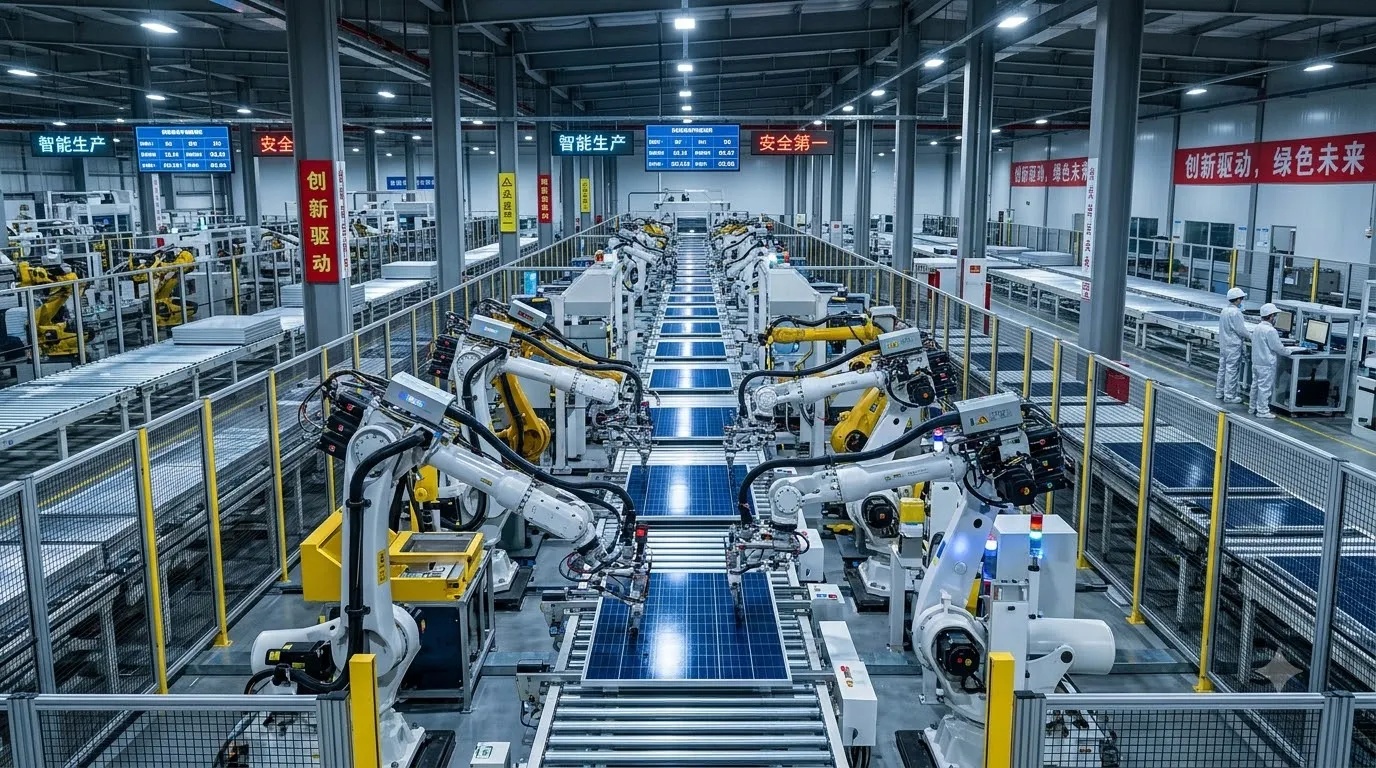
China’s top five solar manufacturers slashed their combined workforce by 21%—shedding 40,589 jobs—as severe domestic overcapacity roughly do...
From MyDigiFolio
One profile. Resume, vCard, portfolio, and email signatures — all generated in 3 minutes.
Build your page — freeWe use essential cookies for login and preferences, and optional cookies for analytics. Privacy policy.