TOP STORIES
H-1B Visa Scrutiny Tightens as US Regulators Target Companies Hiring Foreign Talent Post-Layoffs
MyDigiFolio Editors
1 min read
TOP STORIES
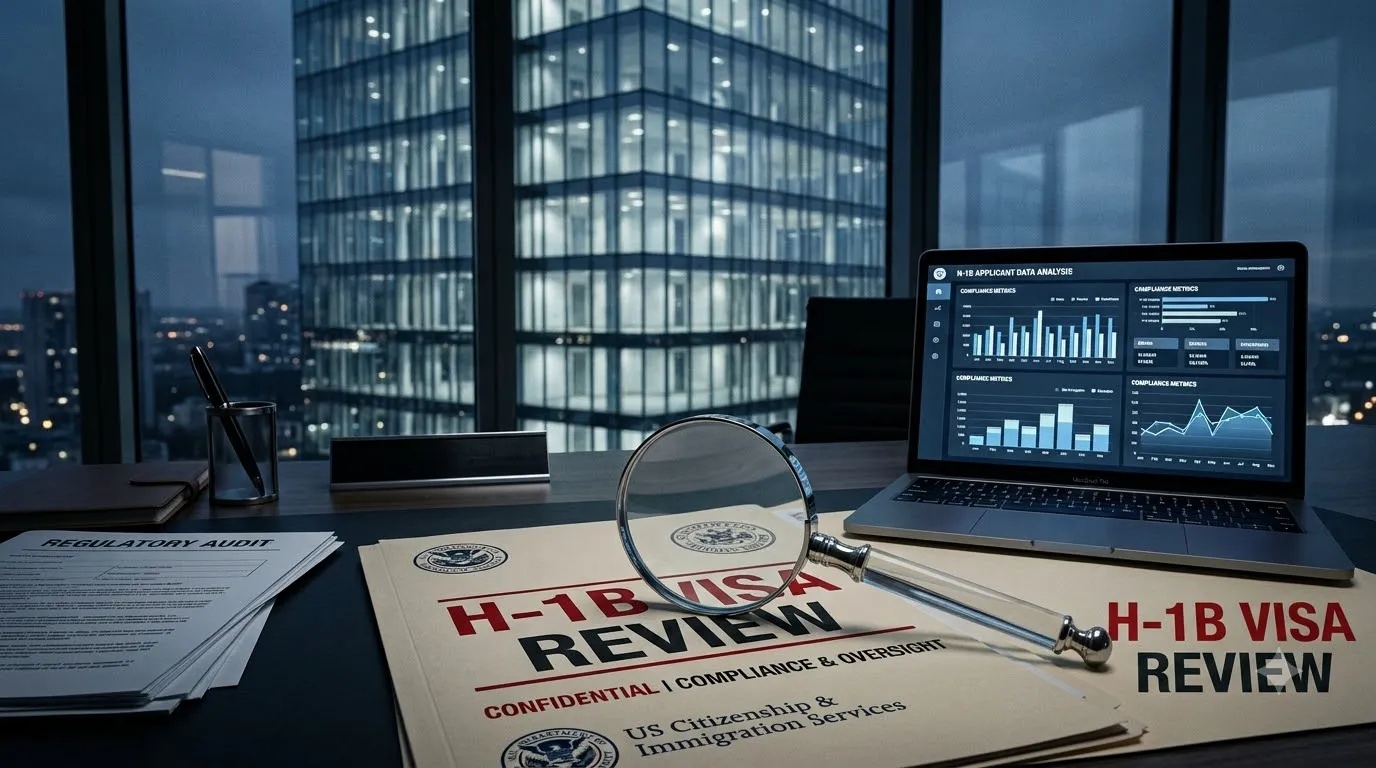
The directive stops short of an outright statutory ban on hiring foreign specialists following staff cuts, but it establishes downsizing as a primary audit trigger across federal agencies. For sponsoring businesses, this shift demands defensive documentation and heightened risk assessments, particularly around wage leveling and third-party placements. For Indian professionals, the move signals heavier administrative friction, prolonged processing windows, and an increasingly guarded US talent landscape.
American businesses navigating workforce reductions while continuing to sponsor international personnel are facing an increasingly aggressive regulatory framework. Under an executive order signed on September 18, the US Departments of Homeland Security, Labor, and State have been mandated to synchronize employer petition evaluations, specifically investigating whether guest-worker recruitment follows domestic layoffs.
While current immigration statutes—notably the Immigration and Nationality Act (INA)—restrict hiring post-layoff primarily for PERM green card applications and "H-1B-dependent" firms (those whose workforce exceeds 15% visa holders), the new multi-agency strategy treats corporate downsizing as an enforcement red flag. Regulators will focus immediate attention on historical Labor Condition Applications (LCAs), tasking investigators with uncovering signs of domestic displacement. Potential targets include discrepancies between reported and actual work locations, excessive reliance on entry-level wage bands for complex roles, and high-volume placements by staffing contractors at third-party client sites. This interagency crackdown arrives alongside ongoing administration initiatives targeting temporary high-skilled immigration, including proposals to raise cap-subject filing fees, shorten post-termination grace periods, and contest legal challenges surrounding six-figure charges on select foreign hires. For Indian tech professionals, who constitute the vast majority of H-1B recipients, foundational visa categories remain intact, but sponsoring employers must now brace for heavier evidentiary demands and extensive audit exposure.
The Economic Times · 3 hours ago
Disney’s planned overhaul of its Legal and Global Affairs division demonstrates that corporate efficiency drives are expanding beyond tradit...

The Indian Express · 4 hours ago
Oracle's latest job cuts highlight a growing paradox across Big Tech: record-breaking cloud expansion running parallel to workforce downsizi...

India Today · 1 week ago
The traditional one-job career model is being questioned as workers explore multiple professional activities and income streams. Portfolio c...
From MyDigiFolio
One profile. Resume, vCard, portfolio, and email signatures — all generated in 3 minutes.
Build your page — freeWe use essential cookies for login and preferences, and optional cookies for analytics. Privacy policy.