CAREERS
India’s Domestic Battery Manufacturing Could Drive 7.2 Million EV Jobs by 2040: Study
MyDigiFolio Editors
2 min read
CAREERS
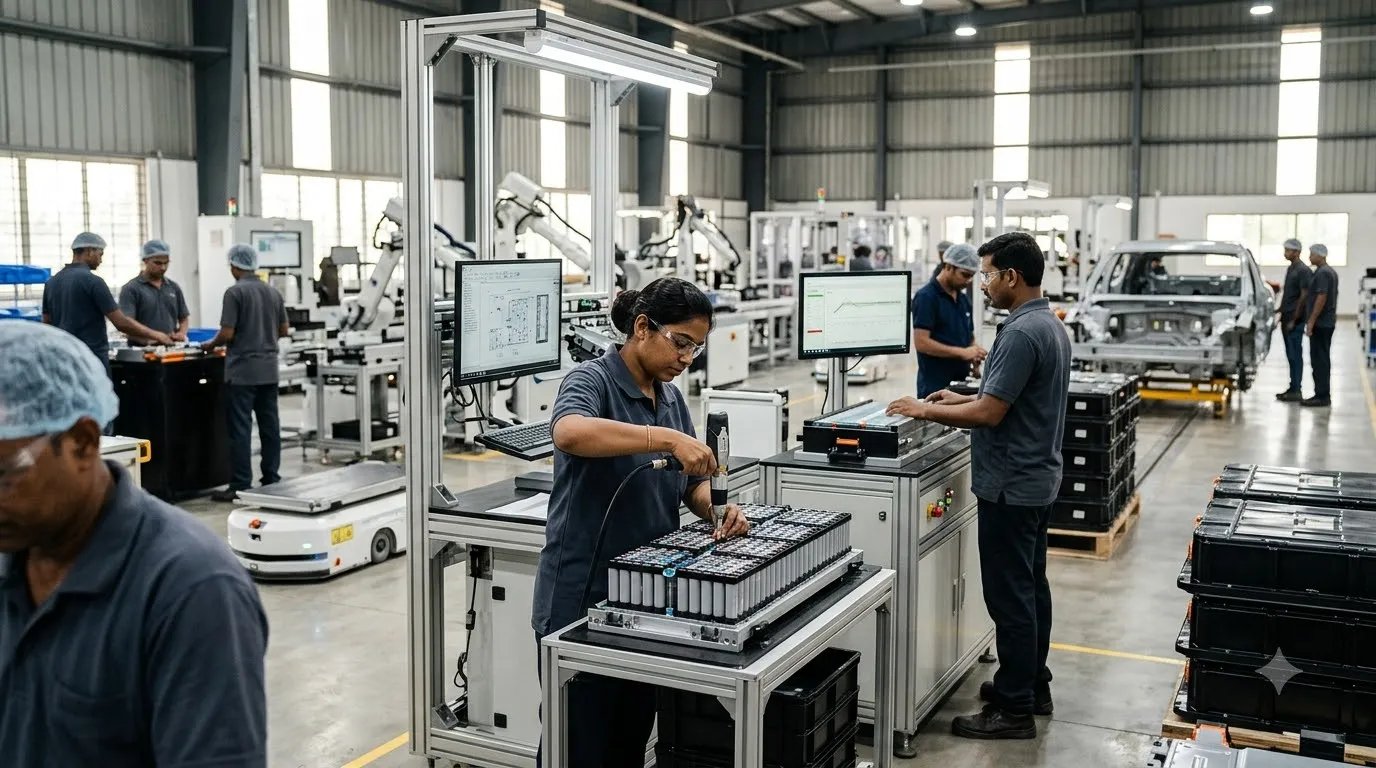
India could see substantial employment growth from EV manufacturing if domestic battery-cell production expands. The study says battery localisation will be a key factor in determining whether the electric vehicle transition creates more manufacturing jobs than it displaces.
A new study by the International Council on Clean Transportation (ICCT) and IIM-Bangalore estimates that India could generate up to 7.2 million direct jobs in electric vehicle (EV) manufacturing by 2040 if the country develops domestic battery-cell production.
The findings were presented at the fourth India Clean Transportation Summit (ICTS) 2026. The report examines how different levels of vehicle electrification could affect employment and economic activity in India through 2040.
According to the study, increasing domestic battery-cell production could raise direct EV-related employment from 4.3 million to 7.2 million jobs by 2040. Under the most ambitious electrification scenario considered, annual EV production could reach 32 million vehicles, while EV-related economic output could increase from $12.8 billion in 2024 to $620 billion in 2040.
The report, titled Employment implications of vehicle electrification under alternative fuel efficiency pathways in India, assesses three possible electrification pathways, ranging from existing fuel-efficiency regulations to near-complete electrification across vehicle categories.
The study identifies battery cells as the highest-value component of an EV and says domestic cell production will play a major role in determining how much economic value India retains from the shift toward electric mobility.
Compared with a scenario relying on imported battery cells, domestic cell manufacturing could generate nearly 2.9 million additional direct jobs, along with more than 17 million additional jobs across supply chains.
India currently has approximately 1.4 GWh of domestic battery-cell manufacturing capacity, which represents less than 3% of expected battery demand in 2032. If the announced capacity pipeline of around 128 GWh is commissioned, India could achieve more than 30% localisation by 2032 across all three scenarios.
However, the employment benefits of electrification depend heavily on the level of battery localisation. The study indicates that EV manufacturing jobs begin to outweigh jobs displaced from conventional engine, transmission and fuel-system manufacturing only when domestic battery manufacturing exceeds 25%. Below that level, the transition could result in a net loss of manufacturing jobs across all three pathways.

The Economic Times · 1 day ago
ICICI Life Insurance plans to onboard 20,000 women financial advisors nationwide by the close of FY2027 under its flagship Narishakti initia...

The Times of India · 1 day ago
UCO Bank has announced 530 apprentice positions across India under the Apprentices Act, 1961, with the application window open until October...
The Economic Times · 2 days ago
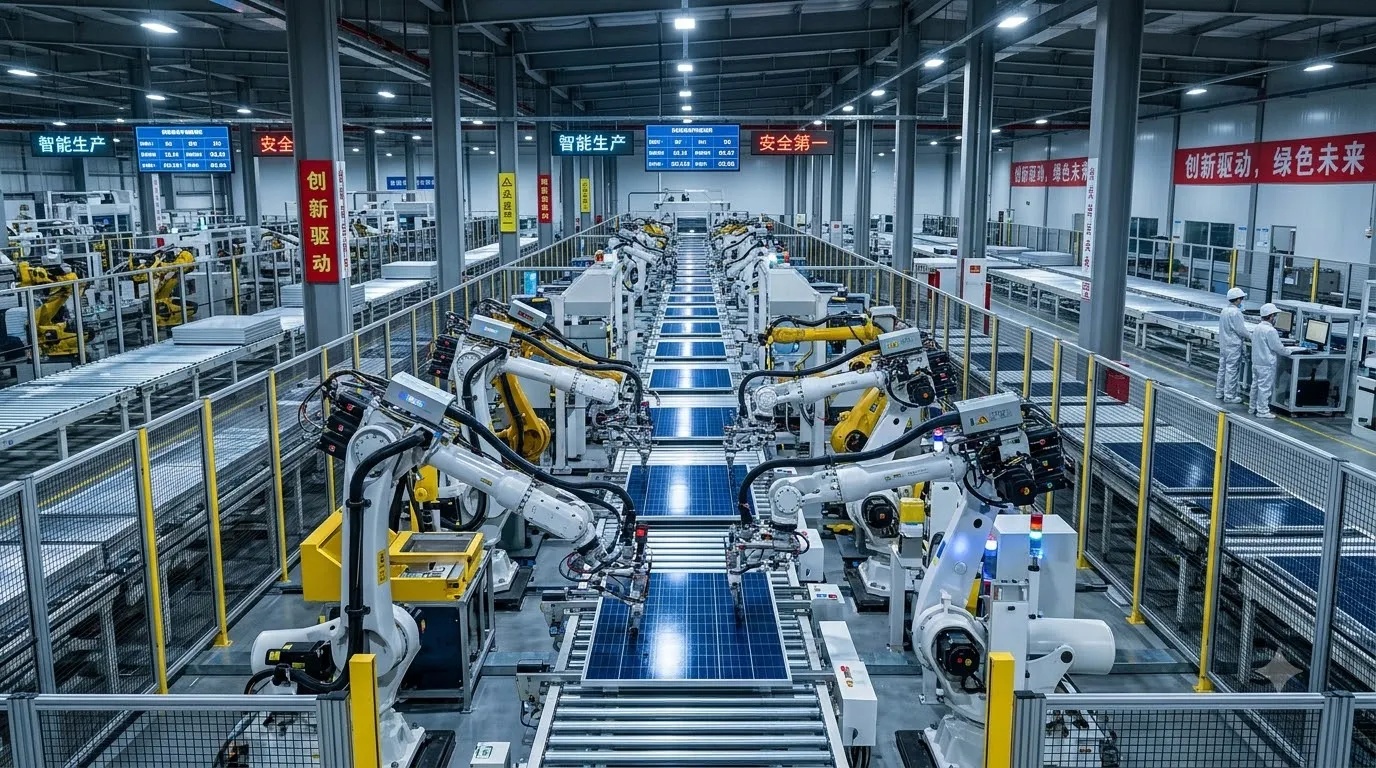
China’s top five solar manufacturers slashed their combined workforce by 21%—shedding 40,589 jobs—as severe domestic overcapacity roughly do...
From MyDigiFolio
One profile. Resume, vCard, portfolio, and email signatures — all generated in 3 minutes.
Build your page — freeWe use essential cookies for login and preferences, and optional cookies for analytics. Privacy policy.