BUSINESS
India’s Private Sector Takes a Bigger Role in Driving Economic Growth
MyDigiFolio Editors
2 min read
BUSINESS

Private investment is playing a larger role in India’s growth as years of public infrastructure spending encourage companies to increase capital expenditure. Technology, manufacturing and infrastructure are emerging as key investment areas, although several economic risks could affect growth ahead.
India’s latest economic growth data points to a broader expansion, with private-sector investment increasingly becoming an important driver alongside consumption and government spending.
Investment rose 11.9% in the April-June quarter, while gross fixed capital formation increased to 34.3% of the economy from 31.4% a year earlier. The increase marks the strongest real investment performance, outside the volatility of the COVID period, since late 2018.
The shift follows years of government-led infrastructure spending, which analysts say is now helping encourage private companies to increase investment. Private-sector spending has picked up across areas including automobiles, renewable energy and defence, while factory utilisation had reached nearly 77% during the January-March quarter.
Government infrastructure spending remains significant. Finance Minister Nirmala Sitharaman has proposed 12.2 trillion rupees ($133 billion) in infrastructure expenditure for the current fiscal year, more than twice the level recorded five years ago.
Private investment is also reflected in stronger bank lending. Bank credit grew by more than 19% in the fortnight ended July 31, its fastest pace in a decade, while credit to industry increased 20%, according to Reserve Bank of India data.
Consumption continues to support the expansion, growing 7.1% in the April-June quarter.
Technology and Manufacturing Gain Importance
India’s investment focus is expanding beyond traditional infrastructure toward areas such as data centres, semiconductors and advanced manufacturing. Google and Amazon have announced plans to invest more than $40 billion in Indian data centres over the next five years.
Citi data showed that listed Indian companies increased capital expenditure by 11% in the financial year ending March 2026, compared with 8% previously. The bank expects the investment recovery to continue into fiscal 2027, supported by demand, funding availability, lower interest rates, stronger corporate balance sheets and high capacity utilisation.
The outlook still faces risks. Higher oil prices, geopolitical tensions and a weaker rupee could increase input costs and contribute to inflation, potentially keeping interest rates higher for longer. HSBC economists also cautioned that slower public-sector capital spending, weaker rainfall, fading tax-cut support and tougher comparisons with the previous year could weigh on growth later in the year.
The Hindu · 2 weeks ago
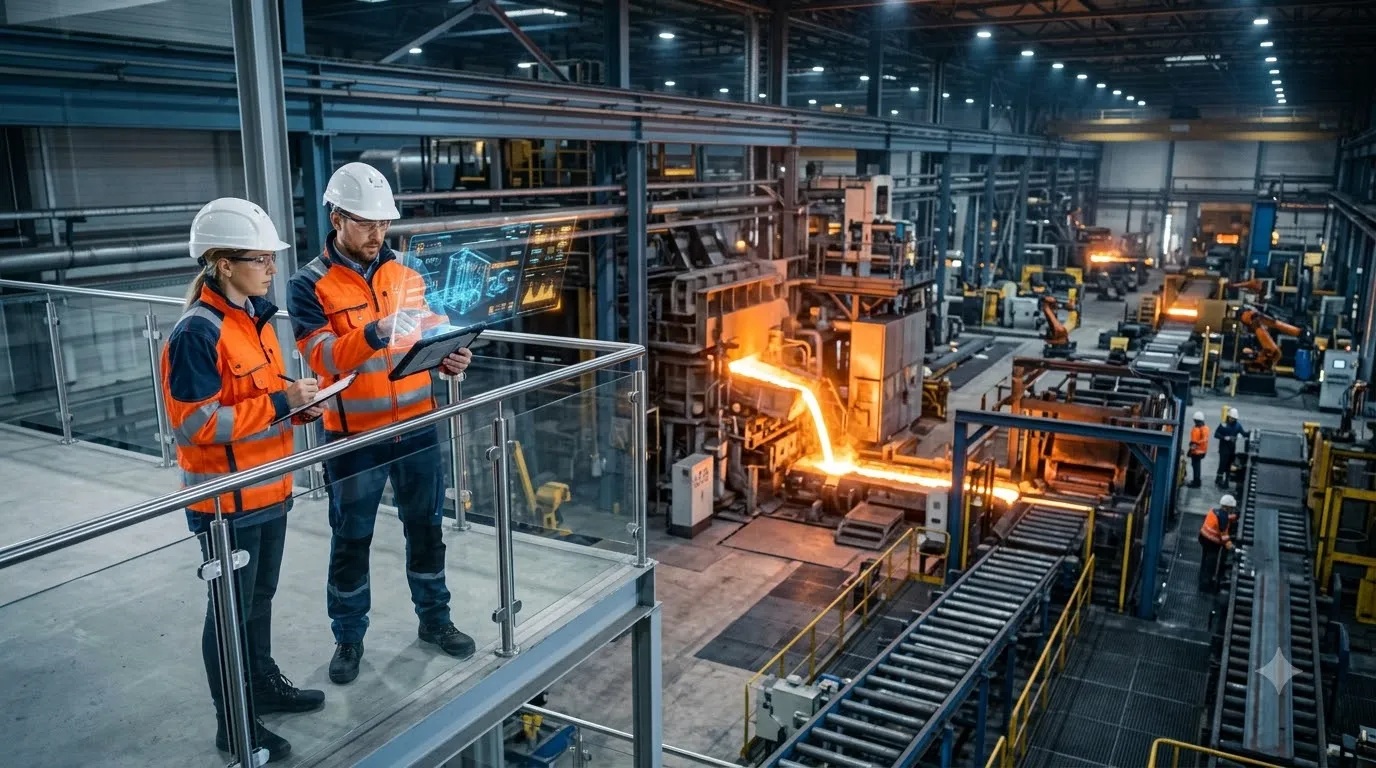
U.S. President Donald Trump has announced that Essar Group subsidiary Mesabi Metallics will invest $15 billion to build the largest steel mi...

Reuters · 3 weeks ago
US jobless claims remained near historically low levels in mid-September, suggesting the labor market has regained stability despite ongoing...
Reuters · 1 month ago
Adyen is planning further expansion and hiring in India as it targets the country's growing digital payments and cross-border commerce marke...
From MyDigiFolio
One profile. Resume, vCard, portfolio, and email signatures — all generated in 3 minutes.
Build your page — freeWe use essential cookies for login and preferences, and optional cookies for analytics. Privacy policy.