BUSINESS
Over 47,000 Samsung Electronics Workers To Strike As Wage Talks Collapse
MyDigiFolio Editors
2 min read
BUSINESS
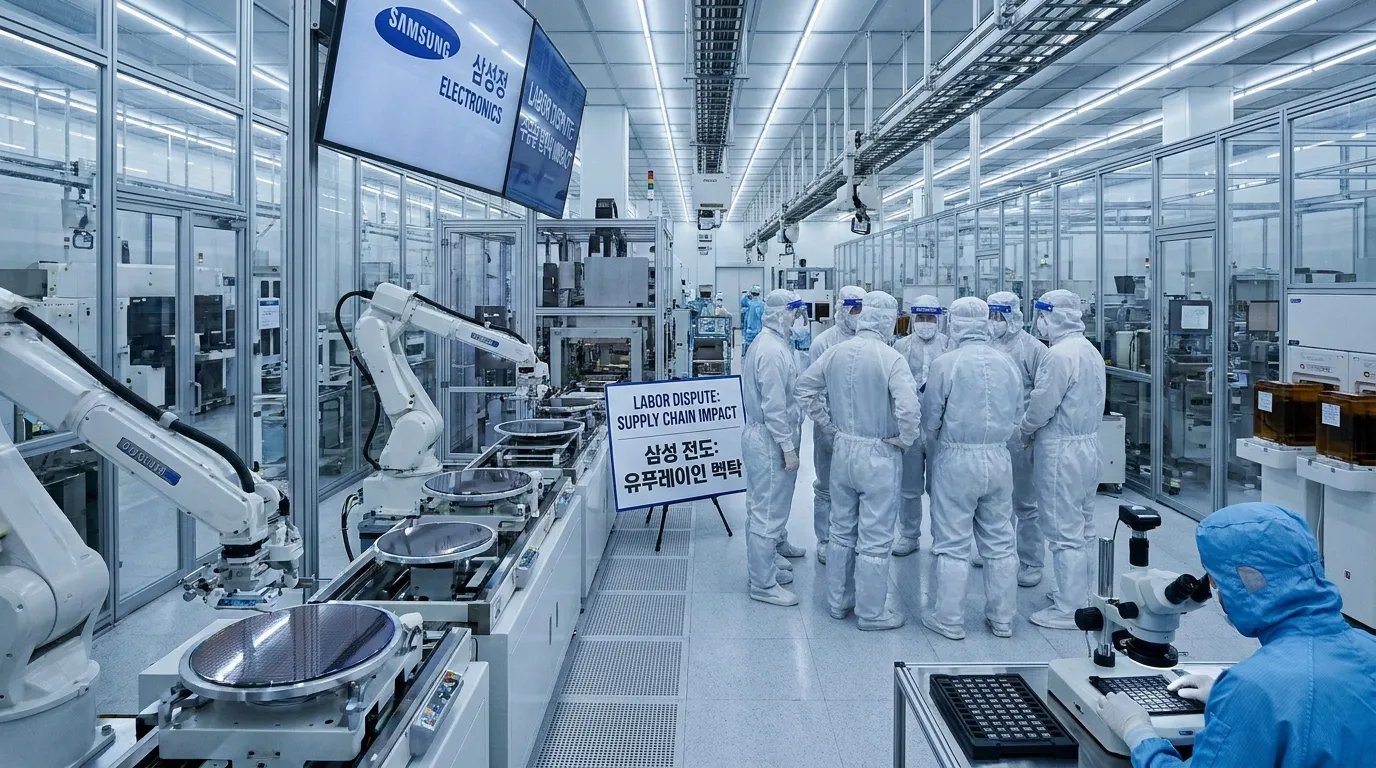
Samsung’s labour dispute highlights growing tensions between tech giants and workers during the AI and semiconductor boom. As chipmakers generate massive profits from AI demand, employees are increasingly pushing for stronger compensation and profit-sharing — creating new risks for global technology supply chains.
Samsung Electronics is facing a major labour crisis after:
triggering a planned strike involving:
The development pushed Samsung shares:
as investors reacted to fears of:
Why Workers Are Striking
The dispute centres around:
The union is reportedly seeking:
According to union representatives:
Samsung’s Response
Samsung said:
and warned they could:
However, the company also stated:
Government Monitoring Situation
South Korean officials, including:
reportedly encouraged both sides to reach an agreement before the strike escalated.
Authorities also signaled:
if industrial action begins affecting:
Under South Korean law:
during national economic emergencies.
Semiconductor Industry Concerns
Samsung remains one of the world’s largest:
Any disruption could impact:
However, court restrictions currently prevent workers from:
Broader Industry Pressure
The strike comes during a period when:
Labour costs, bonus structures, and workforce expectations are increasingly becoming:

Reuters · 4 days ago
Adyen is planning further expansion and hiring in India as it targets the country's growing digital payments and cross-border commerce marke...

Reuters · 5 days ago
U.S. households showed increased concerns about the labor market and their financial situation in August. While inflation expectations chang...

Reuters · 1 week ago
China’s new five-year plan aims to strengthen SMEs as a source of jobs, innovation and economic activity. The strategy includes greater fina...
From MyDigiFolio
One profile. Resume, vCard, portfolio, and email signatures — all generated in 3 minutes.
Build your page — freeWe use essential cookies for login and preferences, and optional cookies for analytics. Privacy policy.