CAREERS
Wipro Says AI Initiatives Create Productivity Capacity Equal to 20,000 Employees
MyDigiFolio Editors
2 min read
CAREERS

Wipro says its AI initiatives have generated productivity capacity equivalent to around 20,000 employees, with workers being redeployed rather than directly replaced. The company is also expanding AI training and forward-deployed engineering capabilities as it moves toward a human-AI operating model.
Wipro's artificial intelligence initiatives have generated productivity gains equivalent to the work of around 20,000 employees, according to Chief Technology Officer Sandhya Arun. The employees associated with this additional capacity have been redeployed within the company rather than directly replaced by AI systems.
The development comes as India's $315 billion software services sector adjusts to the growing use of AI, which is influencing hiring, software development and client contracts.
Wipro had around 243,000 employees in June and is moving toward what Arun described as a "human-AI operating model." More than 100,000 employees have received advanced training and certifications related to AI.
Arun said the new model could involve an engineer overseeing several AI agents while working on other projects or preparing for a different role. She stressed that this does not necessarily represent a direct replacement of one employee by one AI agent.
The comments follow similar views from Wipro Chairman Rishad Premji. Tata Consultancy Services has also indicated that IT companies could reduce hiring as AI becomes more integrated into their workforce, with the company working toward a model involving comparable numbers of employees and AI agents.
TCS plans to develop a group of up to 8,900 forward-deployed engineers, while Infosys is expected to build a pool of about 6,000 over the coming years. These engineers work directly with clients to support faster AI adoption.
Wipro is also increasing its number of forward-deployed engineers. Arun did not give a specific target but said the company's workforce in this area would likely be comparable with its peers.
Arun said the focus should extend beyond productivity and toward business outcomes. She said AI should be assessed based on its ability to improve customer experience, generate new revenue opportunities and support business objectives.
Wipro remains the only company among India's four largest IT firms that does not disclose its AI revenue. Analyst Manoj Chandra Jha of Nord-IQ Research said Wipro is still in an earlier stage of AI monetisation compared with some peers, with the key test being whether AI-related deals translate into revenue and improved margins.
Jha also said Wipro's investment in AI training and ecosystem partnerships is comparable with companies such as TCS, Infosys and HCLTech, although its level of commercialisation is less mature.

ETHRWorld (The Economic Times) · 2 days ago
India’s financial crime compliance workforce is projected to expand to 45,000 by 2030, generating over 19,000 specialised jobs as global fin...

ETHRWorld (The Economic Times) · 2 days ago
As enterprises like Microsoft, Barclays, and Kroger slash headcounts citing artificial intelligence, an epilogue is taking shape: the "AI bo...
The Economic Times · 6 days ago
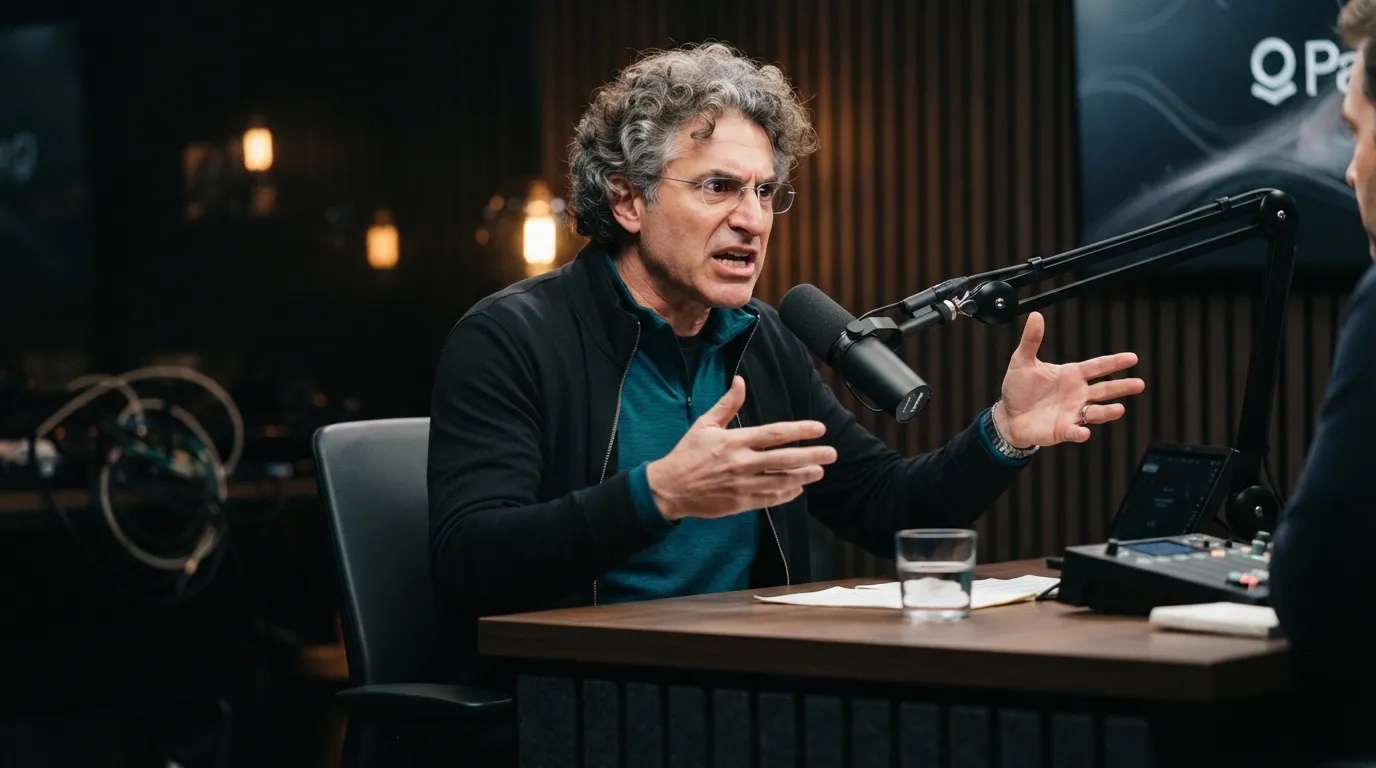
Palantir CEO Alex Karp is bypassing standard tech career advice like learning to code or prompt models, arguing that the only two secure car...
From MyDigiFolio
One profile. Resume, vCard, portfolio, and email signatures — all generated in 3 minutes.
Build your page — freeWe use essential cookies for login and preferences, and optional cookies for analytics. Privacy policy.