AI & TECH
AI Growth and Data Centers Are Influencing Career Paths and Workforce Demand
MyDigiFolio Editors
3 min read
AI & TECH
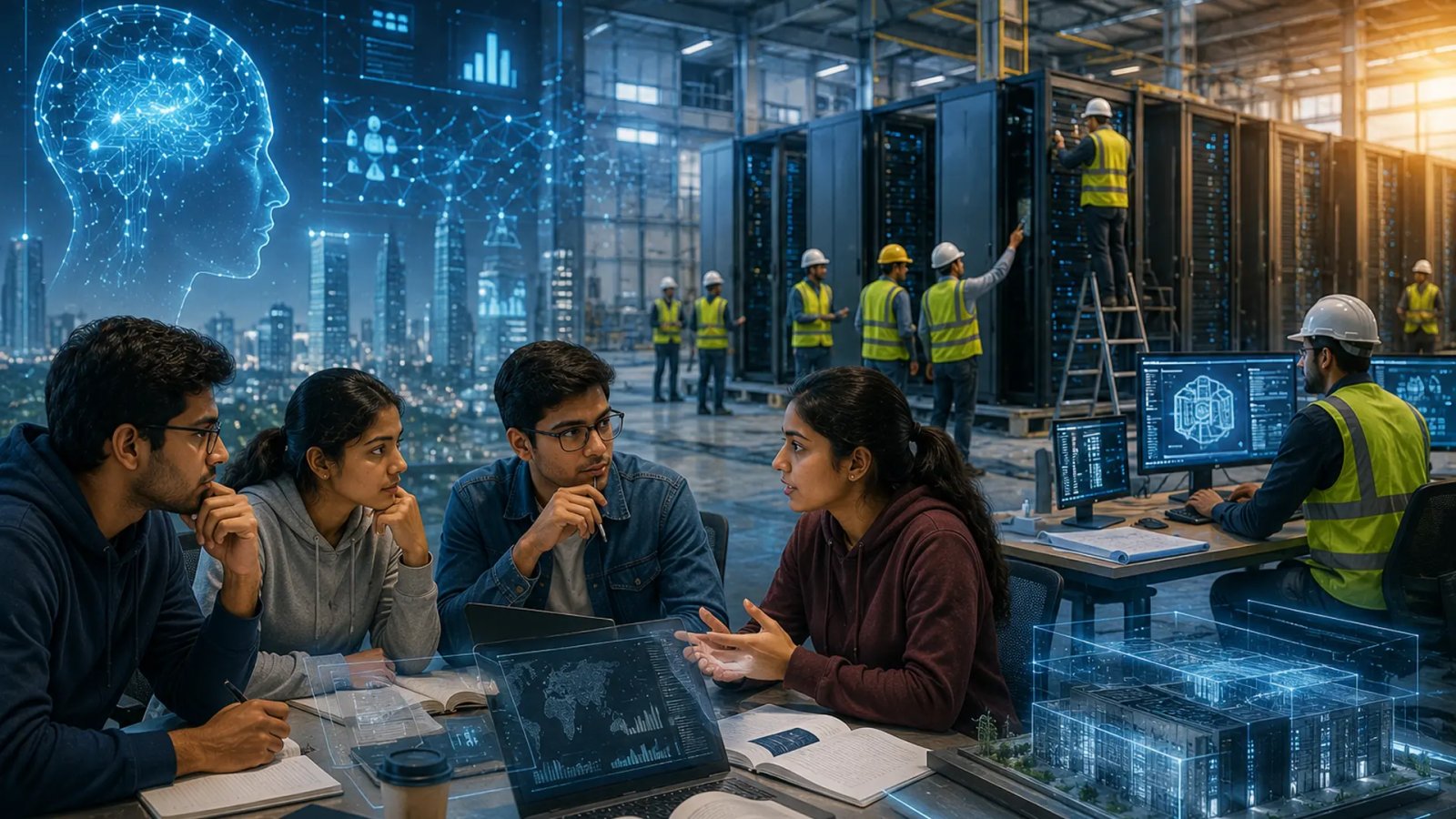
AI is beginning to influence not only how work is performed but also the career and education choices people make before entering the workforce. At the same time, the infrastructure supporting AI is creating demand for skilled construction and maintenance workers, even as concerns remain about the long-term employment and environmental impact of data center growth
Artificial intelligence is becoming a bigger factor in how students, educators and employers think about careers and future workforce requirements.
Although the full impact of AI on employment is still unclear, recent research indicates that concerns about the technology are already affecting students' academic decisions. The Lumina Foundation-Gallup 2026 State of Higher Education Study found that 13% of bachelor's degree students had seriously considered changing their major because of AI, while another 29% had considered doing so to some extent.
The survey also found that 16% of students currently enrolled in college had already changed their major or field of study due to concerns about how AI could affect their future job prospects.
NC State student Joi Hester said attitudes toward AI can differ depending on a student's area of study and stage of education. She noted that the expected impact on jobs may not simply involve automation replacing workers, but could also change the way companies build and manage their workforces.
One concern is that businesses may require fewer people for certain roles as AI takes over more routine work. Companies could place greater emphasis on employees who already understand the technologies they plan to use, potentially affecting opportunities for new entrants to the workforce.
At the same time, Hester said students in humanities and other fields may still have valuable strengths. She pointed to the ability to think independently and go beyond answers generated by large language models as an important advantage.
Hester also said that developing a broad range of skills can be useful, while questioning whether students should feel compelled to learn AI-related skills simply to remain competitive in the job market.
Meanwhile, AI's rapid expansion is creating demand in sectors involved in building the infrastructure behind the technology.
Data center development across the United States is increasing the need for skilled workers to construct and maintain these facilities. Joel Thames, Vice President of Environment, Health, Safety and Workforce Development at Associated Builders and Contractors, said data center projects involve both commercial and industrial work.
Associated Builders and Contractors recently partnered with Meta through America's Workforce Academy. Under the initiative, Meta is investing $115 million to train workers for jobs connected to AI infrastructure and other areas of construction. Thames said the announcement generated thousands of applications.
The programme is being introduced as the construction sector continues to face worker shortages. The trade association estimates that the industry will require 456,000 additional workers next year to meet expected demand.
Data center construction is a particularly active area, with contractors reporting substantial project backlogs. According to Thames, workers who enter these projects could find opportunities to continue with the same contractors and develop their careers in the sector.
Long-term employment opportunities may also extend to maintaining data center facilities, which require significant ongoing upkeep. Thames said the expansion of AI infrastructure is expected to support this type of work for years.
The growth of these projects could also create indirect benefits for businesses connected to construction, materials and tools.
In North Carolina, the expansion of data centers has prompted differing responses from local governments. While some communities are considering pauses or restrictions on development, others are seeking to attract projects. Supporters highlight potential jobs and investment, while critics have raised concerns about environmental effects, utility consumption and the number of long-term jobs such facilities may ultimately provide.
Analytics India Magazine · 3 weeks ago
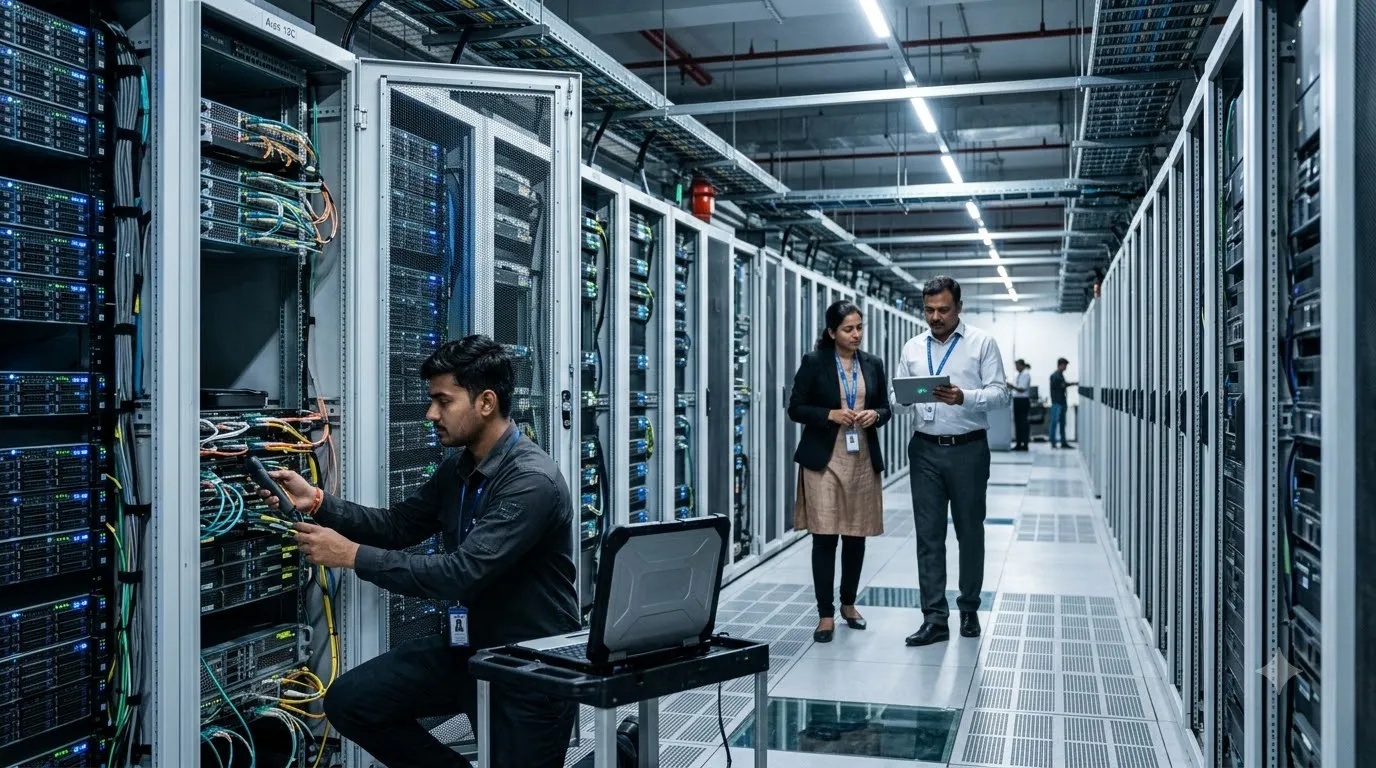
India’s data centre expansion is broadening employment demand beyond software and other traditional technology roles. The latest hiring data...

GlobeNewswire · 3 weeks ago
Paychex has expanded its WISE AI platform with WISE Hire, bringing AI-powered automation to recruiting and hiring workflows. The solution co...

Reuters · 3 weeks ago
Verizon is expanding its investment in AI workforce training to support job seekers, small businesses and educators across the U.S. The init...
From MyDigiFolio
One profile. Resume, vCard, portfolio, and email signatures — all generated in 3 minutes.
Build your page — freeWe use essential cookies for login and preferences, and optional cookies for analytics. Privacy policy.